The Real Link Between Gut Health, Hormones, Skin, and Mood
Why digestion, inflammation, liver function, skin and emotional steadiness often travel together.

If your digestion is unsettled, your skin is flaring, your mood feels flatter than usual, and your hormones seem messier too, that may not be four separate problems. It may be one conversation happening through several different systems at once.
The gut is a communication hub, not just a digestion organ
The gut is one of the body's central meeting points between the immune system, the nervous system, detoxification pathways and hormone metabolism. That does not mean every symptom starts in the gut, but it does mean the gut can amplify what is happening elsewhere - or help stabilise it.
When gut health is under strain, women often notice overlap rather than neat textbook categories: bloating with breakouts, constipation with PMS, looser stools with anxiety, eczema flares when life is stressful, or acne that worsens when diet quality and sleep both slide.
The gut-skin axis: why eczema and acne can flare from the inside out
The microbiome influences intestinal barrier function, immune signalling and inflammatory tone. When the gut environment becomes less supportive, the immune system can become more reactive, and that can show up on the skin.
This does not mean every case of acne or eczema is a gut problem. It does mean skin symptoms may worsen when fibre intake is low, ultra-processed foods are high, bowel regularity is poor, or the inflammatory load is persistently elevated. The skin often reflects what the body is trying to manage internally.
The gut-brain axis: inflammation and mood are deeply connected
The gut and brain are in constant conversation through immune messengers, vagal signalling, microbial metabolites and the stress response. When gut health is disrupted, women may notice more irritability, lower mood, brain fog or a reduced sense of resilience.
Inflammation matters here. Chronic low-grade inflammation is not the whole story behind low mood, but it is one important part of the picture. A more irritated gut can contribute to a more inflamed internal environment, and that can affect how steady a woman feels emotionally.
The gut-liver axis and hormone health
Hormones do not simply vanish after the body has used them. They are transformed, packaged and excreted, with the liver and gut both playing important roles along the way. This is one reason bowel regularity matters so much more than people tend to think.
Low fibre intake, sluggish bowels and an unfavourable microbial environment may alter how hormone metabolites move through the body. That does not mean every hormone symptom comes from the gut, but it does explain why digestion and hormone symptoms often sit on the same sofa together.
Gut-liver support and the skin connection
The liver and skin are both involved in managing overall load. When digestion is poor, diet quality is low and inflammatory signalling is elevated, skin symptoms can become harder to settle. Supporting elimination, bile flow and anti-inflammatory capacity can therefore be helpful indirectly, even if the skin is where the flare is most visible.
This is where the naturopathic lens can be useful, as long as it stays grounded. We are not “detoxing” in a dramatic wellness sense. We are supporting the systems the body already uses - digestion, bowel regularity, bile flow, nutrient sufficiency and inflammatory balance.
What actually helps?
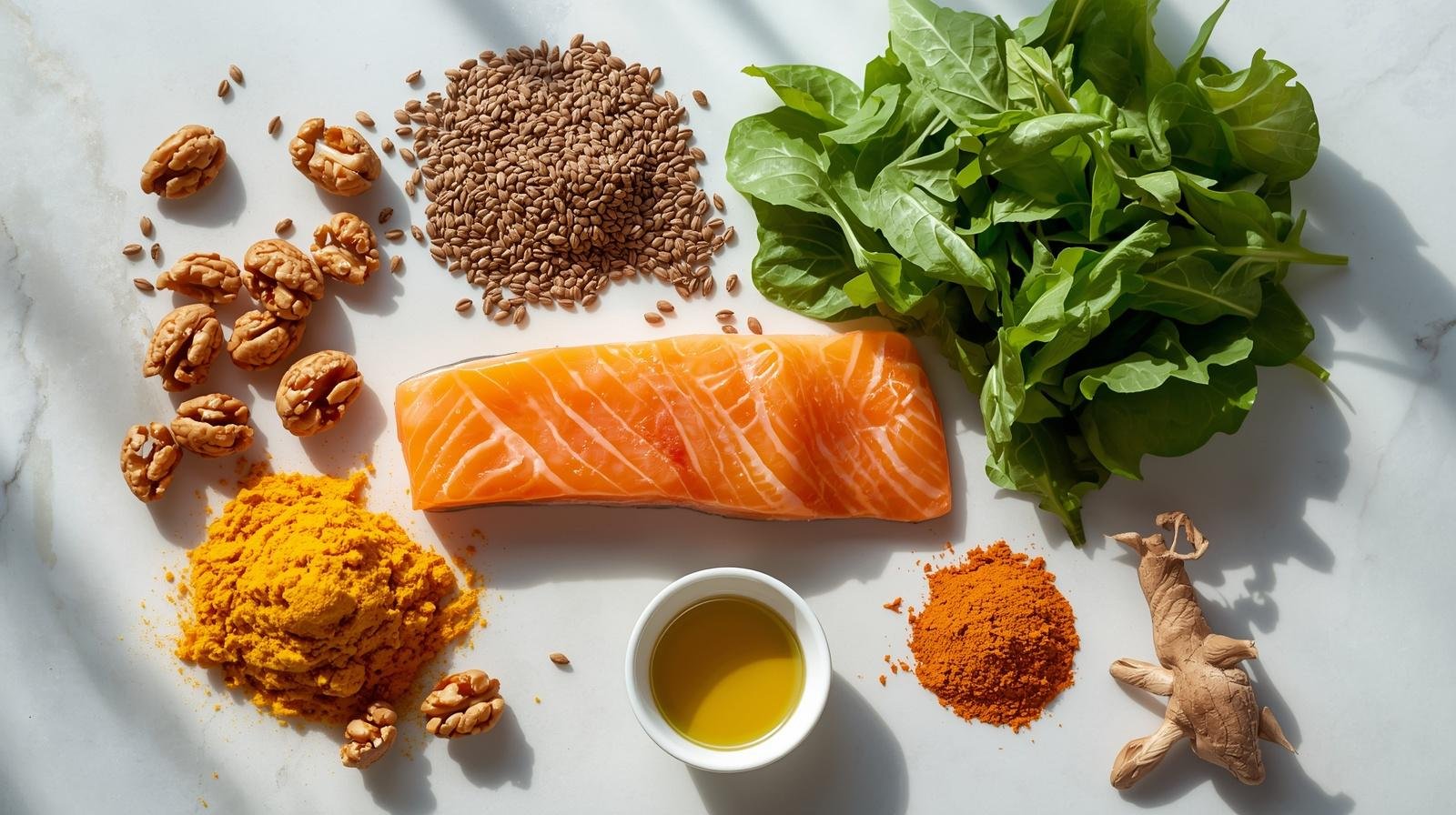
Fibre is foundational. It supports bowel regularity, feeds beneficial microbes and helps create the short-chain fatty acids associated with gut and metabolic health. Many women want a supplement before they have addressed the very unglamorous basics of plants, legumes, nuts, seeds and properly structured meals.
Essential fatty acids matter as well. Omega-3 fats influence inflammatory pathways and have been studied in skin and mood-related conditions. They are not a cure-all, but they can form part of a more anti-inflammatory foundation.
Natural anti-inflammatory support can also have a role. Curcumin is one of the better-studied examples. In practice, though, herbs and supplements tend to work best when layered on top of food, bowel regularity, stress regulation and sleep rather than used as substitutes for them.
A careful word on hepatic herbs, cholagogues and depuratives
In traditional and naturopathic practice, herbs such as dandelion, globe artichoke and milk thistle are often used to support digestion, bile flow and liver function. They can be useful in the right context, particularly when women feel heavy, sluggish after meals, or prone to digestive stagnation.
But this is the important part: they are supportive tools, not miracle fixes. The strongest evidence still sits with dietary quality, fibre, protein sufficiency, anti-inflammatory eating patterns, essential fatty acids, movement and sleep. Herbs can complement that work; they do not replace it.
The wider reframe
Healthy skin, steadier mood and smoother hormone transitions are rarely built by one product. They are built by tending to the terrain: digestion, inflammation, bowel regularity, microbial diversity, stress load and diet quality.
When the gut is better supported, women often notice a ripple effect - calmer skin, less digestive chaos, more predictable bowel habits, and a body that feels less reactive overall. That is not hype. That is systems biology behaving like systems biology.
What to do this week
Aim to include a meaningful fibre source at each meal rather than trying to “catch up” with one salad.
Support bowel regularity before chasing complicated hormone protocols.
Consider omega-3-rich foods regularly, and use supplements strategically where appropriate.
Use hepatic or cholagogue herbs as supportive tools within a broader plan, not as a shortcut.
If you are dealing with overlapping gut, skin, hormone and mood symptoms, a joined-up plan can make a real difference. You can book a consultation to explore what support might look like for your body, your history and your current season of life.
This article is for educational purposes and is not a substitute for personalised medical advice, diagnosis or treatment. If you have a medical condition, significant symptoms or are taking medication, individual guidance matters.