Pilates for Posture, Nervous System Support, and Long-Term Resilience
Why Pilates is about more than looking elegant in leggings - and how it can support mood, movement quality and lower-back-friendly function.
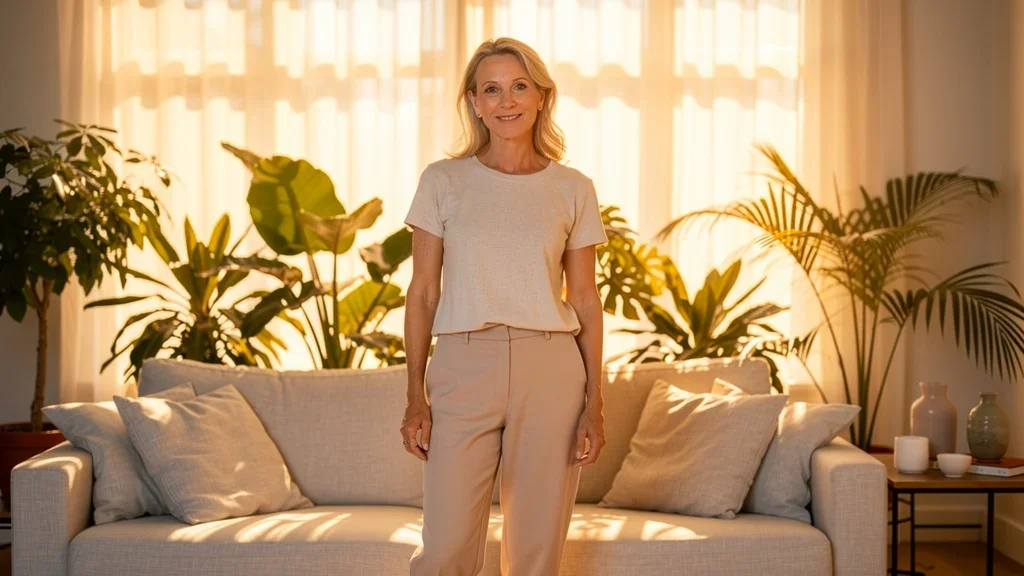
Good posture is often sold as a cosmetic upgrade. Stand taller, look slimmer, seem more confident. But posture is not just about appearance. It can change how you move, how you breathe, and in some cases even how you feel.
Posture is functional, not just aesthetic
Alignment affects how load moves through the body. When posture is consistently poor, the body may compensate in ways that increase strain through the neck, shoulders, hips or lower back. Better posture does not guarantee a pain-free life, but it can reduce unnecessary stress in daily movement.
Pilates can be especially useful because it trains posture dynamically. It does not simply ask someone to stand stiffly and “pull their shoulders back”. It teaches the body to organise itself while breathing, rotating, stabilising, reaching and changing position.
Why posture can influence how you feel
There is also a mood piece here. Experimental research suggests that a more upright posture may support more positive affect and reduce fatigue compared with a slumped posture. That does not mean posture cures depression, but it does suggest that the body and mind are not separate rooms in the same house.
This is one reason Pilates often leaves people feeling subtly better even before fitness changes become dramatic. They are moving with more support, breathing more deliberately, and spending time in a body position that feels less collapsed.
Daily activities, injury risk and the lower back
Performing everyday tasks with better alignment can reduce unnecessary loading and help protect the lower back from avoidable strain. That matters because low back pain is one of the leading causes of disability worldwide and a major contributor to work absence and reduced quality of life.
Pilates is not a magic shield against injury, and posture alone is not the sole answer to pain. But learning to stack the ribcage over the pelvis, organise pressure through the feet, coordinate the trunk and breathe under control can make ordinary movement feel much more supported.
Breathwork and the nervous system
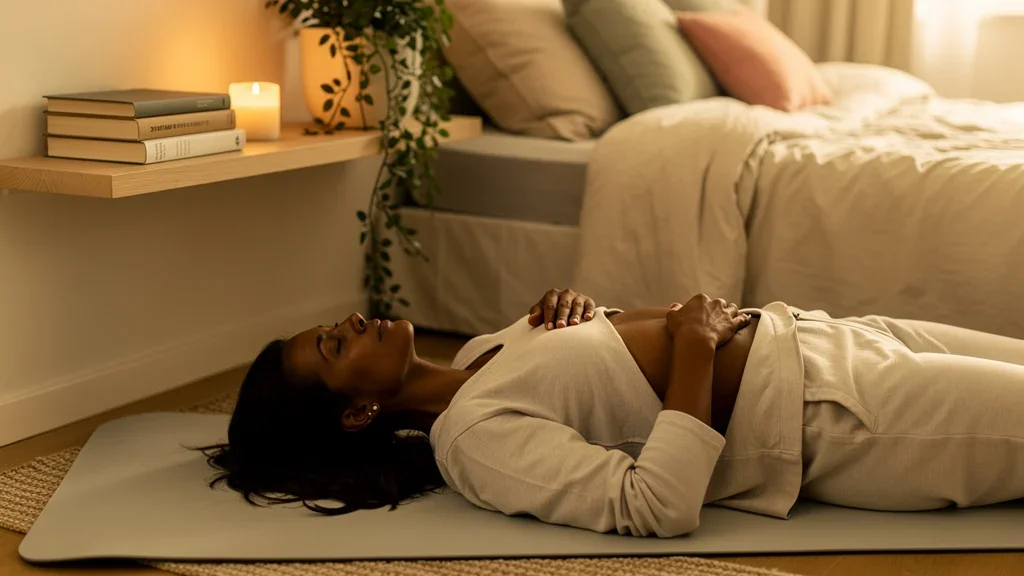
The breath is one of the most powerful regulators of the nervous system, and breathwork is built into Pilates. The pace and breath pattern commonly used in Pilates can encourage slower, more controlled breathing, which may support parasympathetic activity - the branch associated with rest, repair and regulation.
This does not mean every Pilates class is automatically calming. Teaching style, class pace and the individual person all matter. But when well taught, Pilates often gives women something they are missing: focused movement that asks for effort without tipping them straight into chaos.
Pilates as part of long-term resilience
Pilates builds body awareness, control, endurance and confidence. It can complement walking and strength training beautifully, especially for women who want a body that feels capable rather than brittle.
Used on its own, Pilates can improve postural control and support some people with non-specific low back pain. Used alongside resistance training and daily movement, it becomes part of a wider resilience strategy: mobility, control, breath, coordination and strength all talking to each other.
The balanced view
The key is not to oversell it. Pilates is not magic. It is a method. Its value depends on how it is taught, how consistently it is practised, and whether it is used in a way that suits the person in front of it.
But for women wanting better posture, more organised movement, a calmer internal tempo and a body that feels supported over the long haul, Pilates deserves serious respect. It helps people inhabit themselves differently - and that can have surprisingly wide effects.
What to do this week
Use Pilates as movement education, not just calorie burning.
Pay attention to breath quality during sessions, not only exercise difficulty.
Treat Pilates as a complement to strength work, walking and everyday movement.
Look for teaching that supports control and progression rather than perfectionism.
If you are looking for a more resilient relationship with movement, posture and nervous system support, Pilates can be a valuable part of the picture. You can also work with me on the nutrition and lifestyle side so the body is supported from more than one direction.
This article is for educational purposes and is not a substitute for personalised medical advice, diagnosis or treatment. If you have a medical condition, significant symptoms or are taking medication, individual guidance matters.